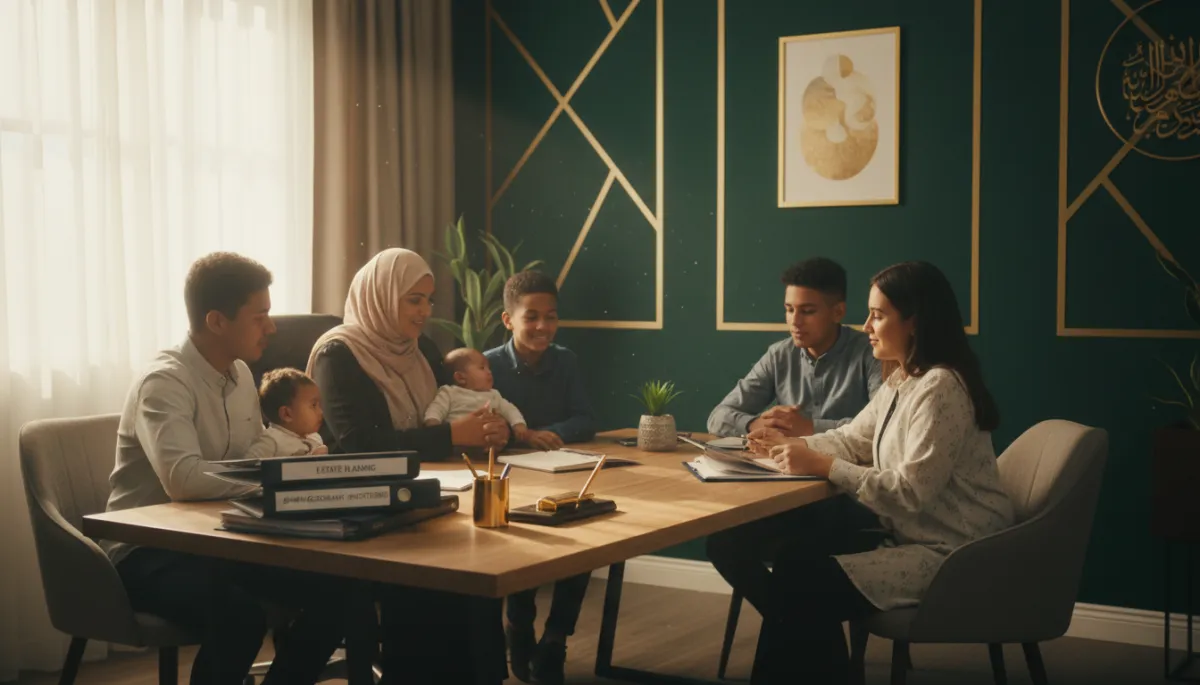
Blended Family Dependency and Estate Document Checklist
Blended and adoptive families need an accurate record of legal parentage, guardianship, maintenance, dependency and estate intentions. Family labels alone may not establish South African legal rights or the Islamic succession treatment that a qualified adviser will apply.
This checklist is general information, not family-law, estate, tax or Shariah advice. Adoption, guardianship, maintenance and inheritance depend on verified facts and current law.
1. Build a family relationship map
List biological parents, adoptive parents, step-parents, guardians, spouses, siblings and other dependants. Record dates and the source document supporting each legal relationship.
2. Keep birth and adoption records
Store birth certificates, adoption orders and amended identity records securely. Record where originals are held and who may obtain certified copies.
3. Record guardianship and care orders
Keep court orders, parental-responsibility agreements and other lawful authority documents. Distinguish daily care from guardianship and financial authority.
4. Document maintenance obligations
Retain maintenance orders, agreements, payment records and outstanding claims. Record school, medical and care costs and who is legally responsible.
5. Verify dependency
Record financial support, residence, disability or special-care needs and the evidence date. Dependency may matter for benefits and estate claims, but must be assessed under the relevant law.
6. Review the will
Name beneficiaries and guardians precisely, using verified legal details. Avoid ambiguous labels such as “my children” where the family structure requires clarity. Obtain an attorney’s advice.
7. Review beneficiary nominations
List retirement funds, policies and Takaful arrangements, current nominations and provider records. A nomination may be considered under a separate legal process and should be coordinated with the wider plan.
8. Consider lawful lifetime support
Where parents wish to provide education, housing or capital during life, document the ownership, gift, trust or maintenance arrangement and tax consequences. Do not use informal transfers that leave control and expectations unclear.
9. Coordinate trust planning
If a trust is used, review beneficiary wording, trustee discretion, guardianship, tax, administration cost and actual funding. A trust document without transferred assets or functioning governance does not solve the need.
10. Obtain Shariah advice on verified facts
Provide the adviser with the legal relationship map, adoption facts, dependants, assets, debts and will. Record the methodology and opinion date. Do not assume a social or legal label produces the same Islamic inheritance result in every case.
11. Protect sensitive information
Limit access to adoption, health and family-law records. Keep a general document index separate from confidential originals and apply POPIA and professional advice.
12. Review after family changes
Update the file after birth, adoption, marriage, divorce, death, guardianship change, maintenance order or material change in dependency. Revisit wills, nominations and care funding at the same time.
Official starting points
Practical outcome: the family and advisers should have verified records for legal relationships, care, maintenance and dependency before drafting estate or Shariah conclusions.Use an action register for missing orders, expired records, unclear nominations and unfunded care needs. Assign each item to an authorised parent, guardian, executor or professional and retain closure evidence.


