Planning Before Passing: How South African Muslims Can Secure Their Legacy the Right Way

“Planning Before Passing: How South African Muslims Can Secure Their Legacy the Right Way" by Mogamat Ali Salie
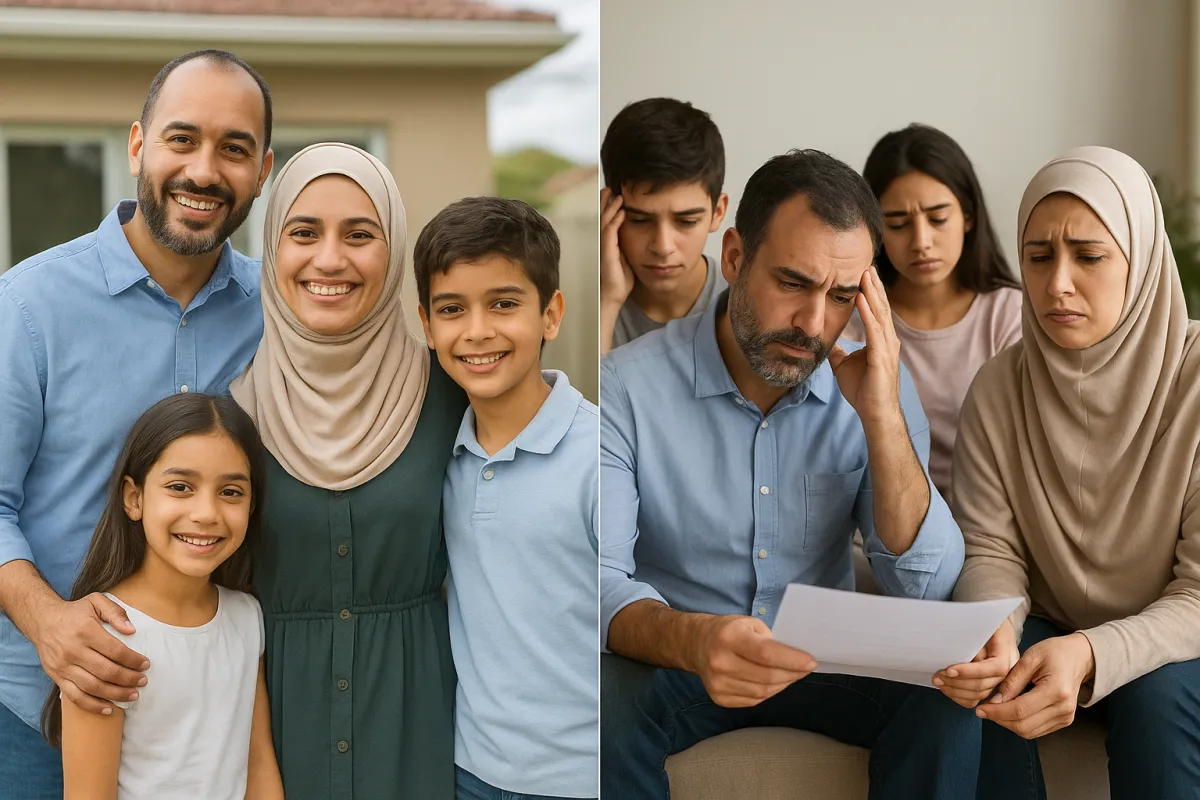
In South Africa, many Muslim families face heartache not because of death itself, but because of what happens after it. Property locked in legal limbo. Families are divided over inheritance. Businesses are frozen while the Master’s Office sorts out paperwork. Yet all of this can be avoided if we take one crucial step while we are still alive, to plan properly.
A will is not just a document. It is a declaration of faith, discipline, and foresight. It determines whether your wealth becomes a source of barakah or a cause of conflict.
Too often, we hear of a man who intended for his estate to be “divided according to Islam,” but never formalised it. When he passes, his family discovers that because he left no valid will, his estate must be distributed under the Intestate Succession Act. In that moment, it doesn’t matter what his intentions were — the law takes over, and the law is not Shariah.
His children and spouse are left to navigate a system that was never meant to reflect divine justice. What should have been an act of mercy turns into months of frustration, paperwork, and sometimes court battles.
The Power of Planning While Alive
The solution is not complicated. It lies in planning before the inevitable.
A Shariah-compliant will, properly drafted and legally valid in South Africa, ensures that your wealth is distributed exactly as prescribed — with precision, fairness, and transparency. South African law fully permits this, but the responsibility lies with us to implement it.
It starts by listing your assets clearly — from your home in Cape Town to your savings, pension, or family business. Each asset must be tied to a legal mechanism that ensures the right people receive their shares at the right time. That might include a trust for ongoing business interests, or a liquidity plan so that your heirs can cover immediate expenses without hardship.
Estate planning is not a luxury for the wealthy. It’s definitely an act of accountability. It’s the difference between your family having dignity and direction after you’re gone — or drowning in confusion.
Real Lessons from Examples
A few years ago, a respected community elder in Wynberg passed away. He owned property, several vehicles, and a thriving but informal business. He often said to his children, “Everything must go according to Shariah.” But he never wrote it down.
After his passing, the estate was frozen. The business collapsed because no one had legal authority to access its accounts. His family spent two years in dispute. The daughter who cared for him received nothing. The eldest son, who managed his affairs, was accused of taking too much.
Contrast that with a family in Rondebosch East. The father, a disciplined man, met with his lawyer, accountant, and a scholar. They created a Shariah-compliant will, structured a family trust for the business, and ensured all beneficiaries were documented. When he passed, the process was smooth. The executor had clarity. The heirs received their rightful shares within a few months, and the family business continued to operate without interruption.
The difference between the two families was not wealth. It was foresight.
Bridging Faith and Law
Many Muslims fear that South African law might contradict their faith. In reality, it can protect it when used correctly. The law respects your right to structure your will as you choose. If your will explicitly states that your estate must be distributed according to Islamic principles, and if it’s properly drafted, it becomes legally binding.
What is crucial is execution: ensuring that the executor of your estate understands both the legal and Shariah requirements. This is where proper advice becomes invaluable, from professionals who understand both systems.
A well-drafted plan does more than divide wealth. It preserves family unity. It ensures your debts are settled, your obligations are met, and your legacy continues. Most importantly, it ensures that when you meet your Creator, you have done your part with clarity and intention.
The Responsibility of Today
Every South African Muslim with dependents, property, or even modest savings should see estate planning as an act of worship, not as a technical task for old age.
We are taught to make niyyah (intention) in everything. Estate planning is the extension of a living intention to protect those who rely on us.
To plan while alive is to prevent conflict. It is to remove the burden from your loved ones. It is to turn wealth into a means of reward, not regret.
Without it, your family faces not only the pain of loss but the strain of uncertainty.
A Legacy of Wisdom and Order
The Muslim community of South Africa stands at a unique advantage. We live in a country whose legal system allows complete freedom to honour our faith in matters of inheritance. Yet too many of us leave it to chance.
The harmony between Shariah and South African law is not only possible, it is truly powerful. One governs the soul, the other the structure. When combined with intention and understanding, they create a legacy that is both lawful and blessed.
Planning while you’re alive may seem like just a legal step, but it’s also a spiritual one. It’s about leaving this world as you lived in it — with discipline, fairness, and faith.
And when that day comes, your loved ones will remember not only what you left them, but how you left it: in peace, with justice, and in perfect order.


